
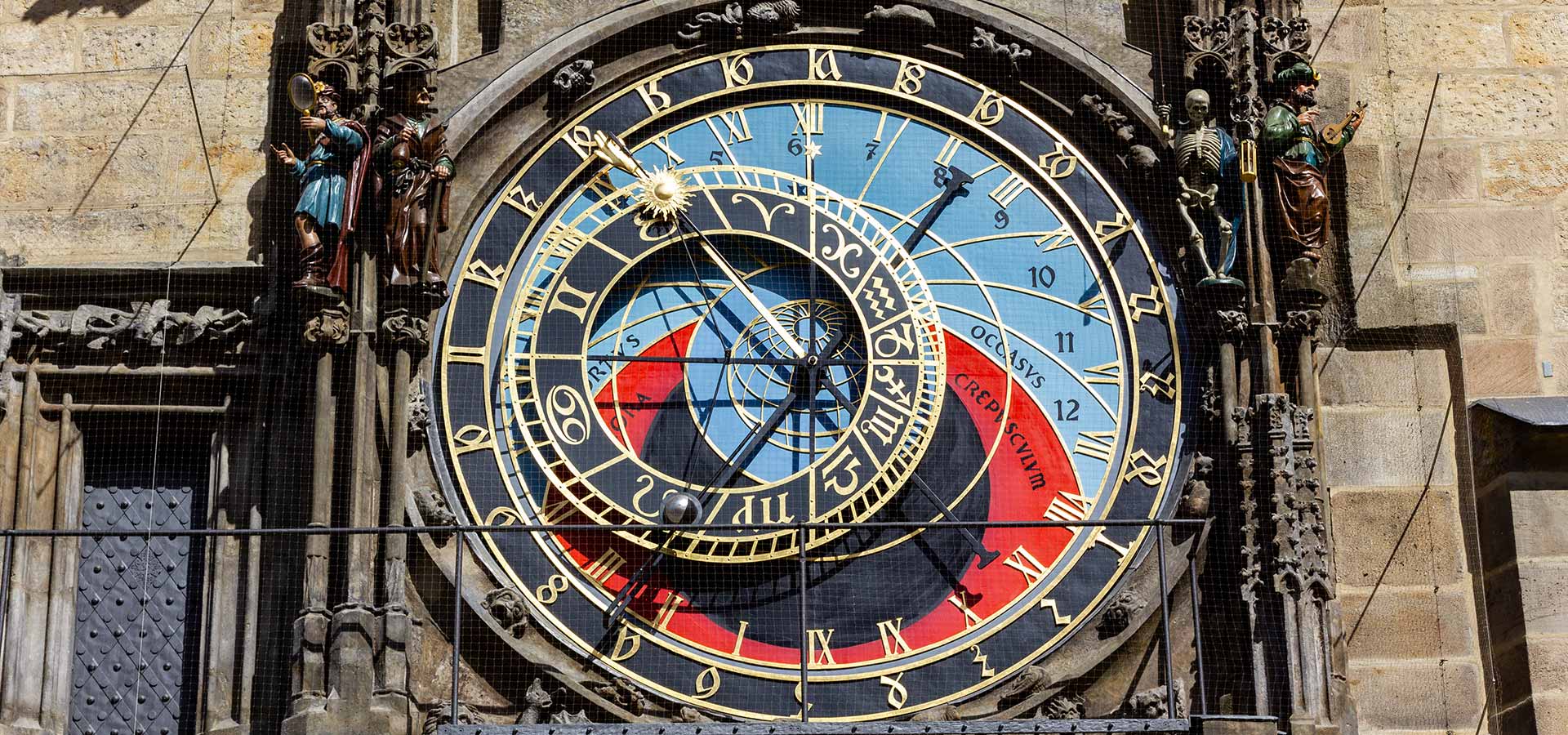
Your Unforgettable Prague City Break Starts Here
Are you planning to spend a couple of days in Prague and looking for little help with planning? Congratulations! You are in the right place. Here you will find answers to the most common questions: main attractions and useful tips, top things to do and places to visit in Prague, dishes to taste and beer to drink, information on how to use public transport and how to avoid scams.
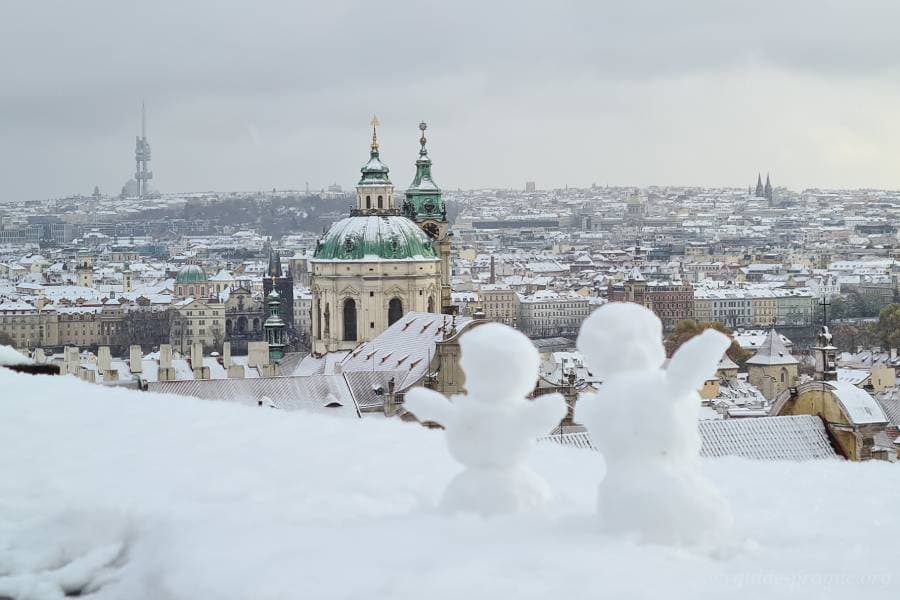
Best Things to Do in Prague in Winter
Prague is beautiful year-round, including winter. The cold weather shouldn't discourage you from visiting the city. However, you must plan your activities properly and pack for the season. If you are determined to have a great winter holiday in Prague from December to March, stay with me.
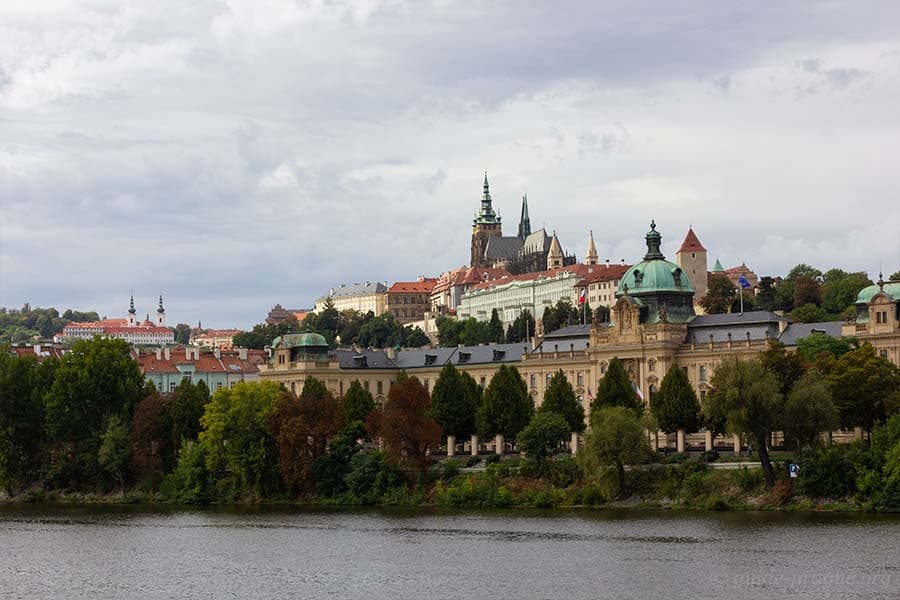
Where to Park in Prague
If you're arriving in Prague by car, parking is worth planning ahead. Street parking can be limited, confusing, and heavily reserved for residents. Here's what to know before your visit.
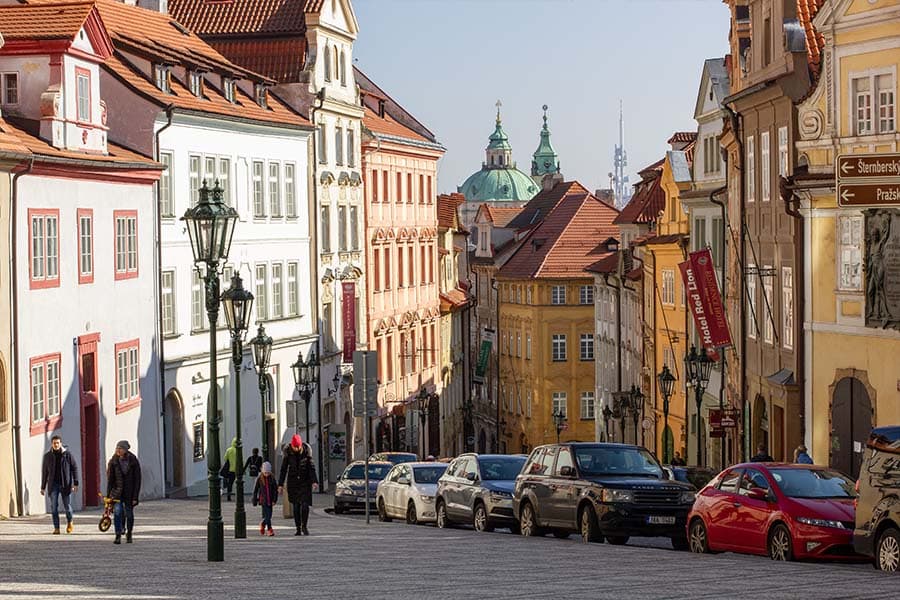
Driving in the Czech Republic: Everything You Need to Know
Driving in the Czech Republic is easy compared to many southern European countries. Traffic is orderly, and roads are generally well maintained. That said, city centers often have pedestrian zones and narrow streets, and traffic jams are common in Prague and Brno, so public transport can be faster once you're in the city itself. If you're coming to the Czech Republic by car or planning to rent one, here's what you need to know before you drive.
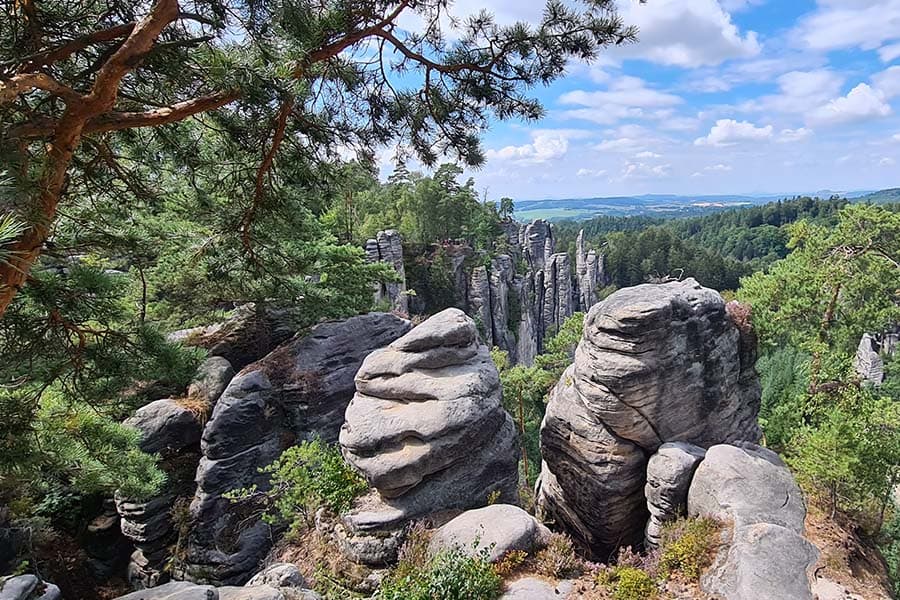
Bohemian Paradise (Český ráj)
Stunning rock formations, medieval castles, breathtaking viewpoints, romantic valleys, and peaceful ponds — you'll find all of this and more in Český ráj, or Bohemian Paradise. This beautiful region in the Czech Republic is a favorite among nature lovers, hikers, history enthusiasts, and photographers alike.
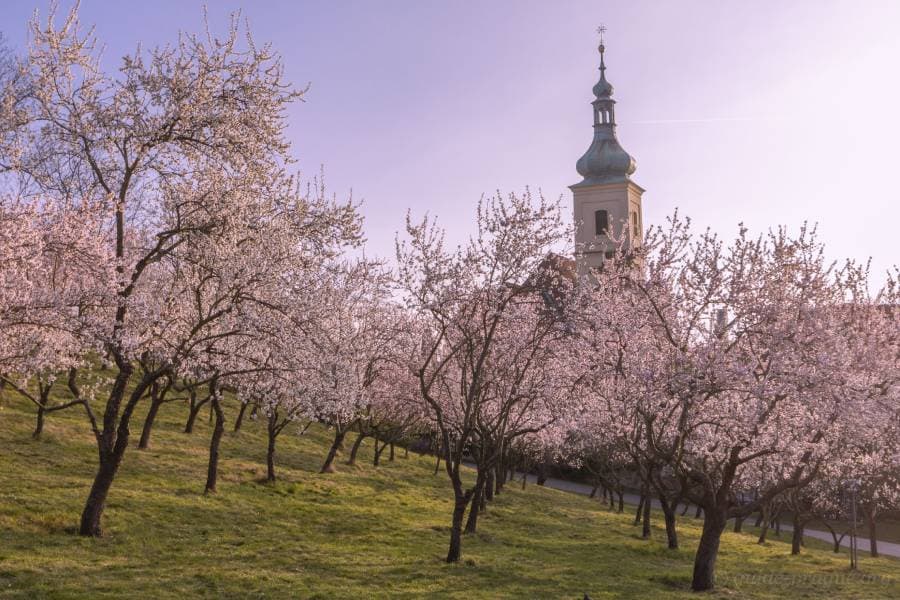
Church of Our Lady Victorious & Infant Jesus of Prague
Between 1611 and 1613, Prague’s Lutherans began building the Church of the Holy Trinity at the foot of Petřín Hill, which became the first Baroque church in the city. However, after the Czech uprising was crushed at the Battle of White Mountain in 1620, the church was transferred to the Carmelite order, which rededicated it to the Madonna of Strakonice, credited with helping to win the battle. It was then renamed the Church of Our Lady Victorious.
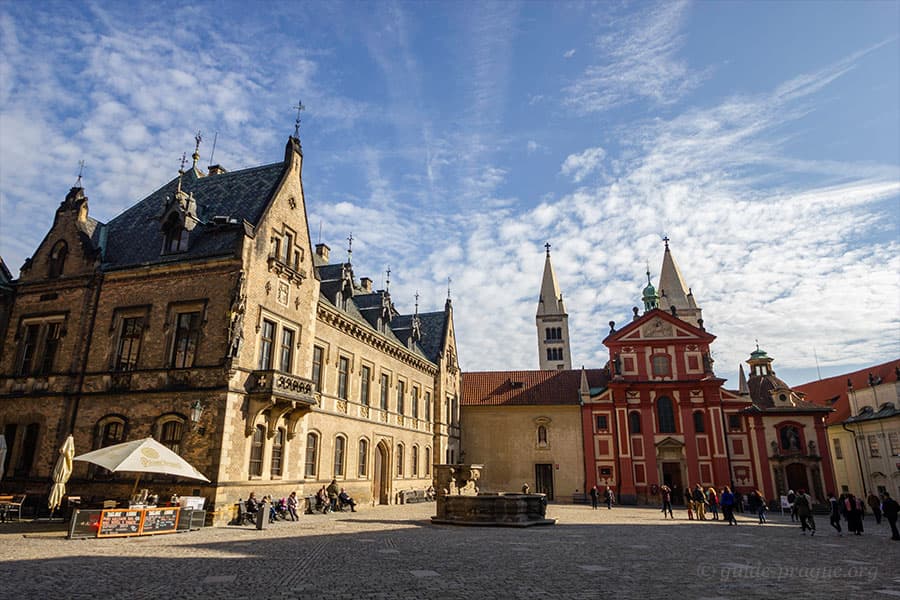
St. George's Basilica
The Church of St. George in Prague, the city's second church, was commissioned by Prince Vratislav I in the early 10th century. A few decades later, Prince Boleslav II sent his 12-year-old sister, Mlada, to Rome to become a nun and to obtain the Pope's approval for establishing a bishopric in Prague. She succeeded, and in 973, she returned with the Pope's permission.
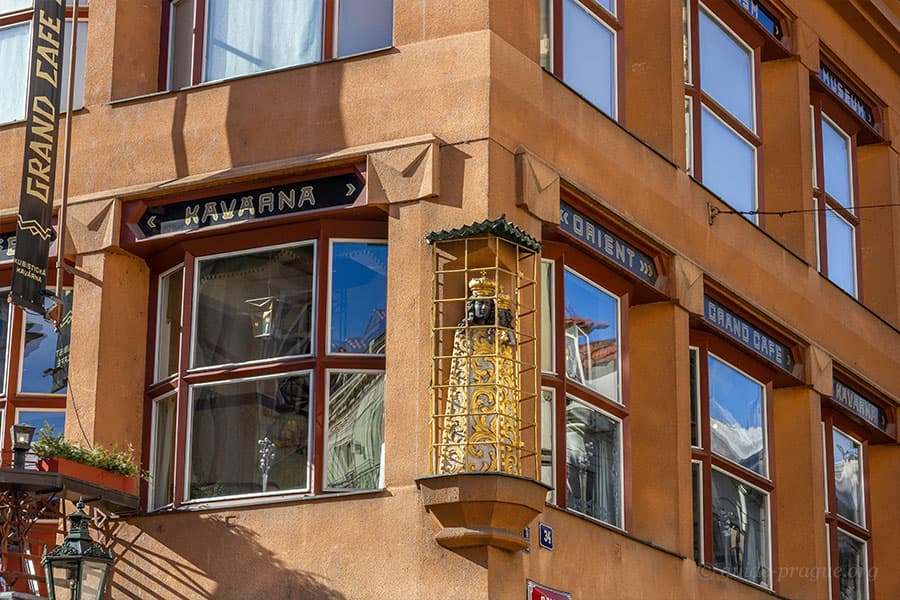
House of Black Madonna
When walking along Celetná Street, notice the building on the corner of Celetná Street and Ovocný Trh. This house is the first Cubist building in Prague.
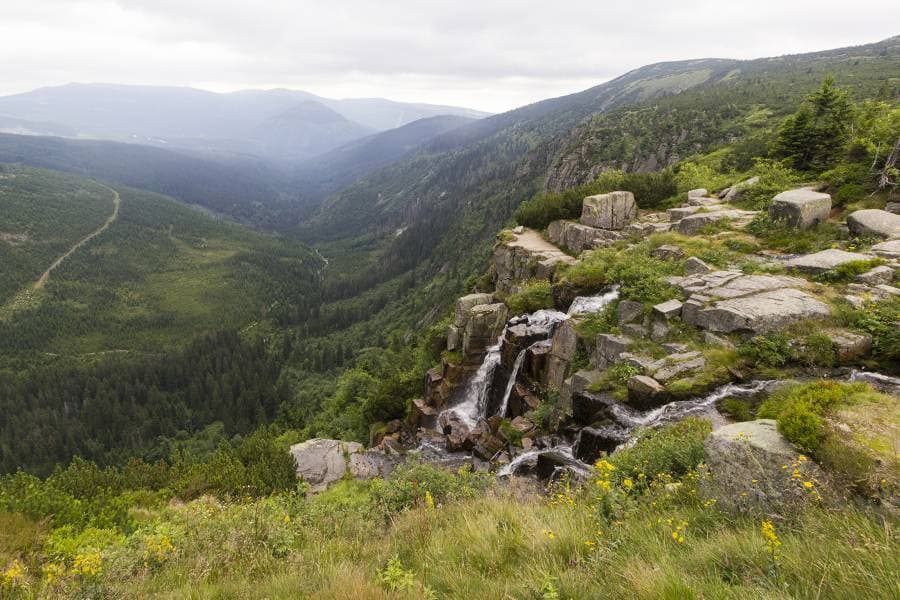
Discover the Giant Mountains (Krkonoše)
Krkonoše, also known as the Giant Mountains, hold numerous records. Of the 20 highest mountains in the Czech Republic, 15 are located here, including the country's highest mountain, Sněžka. It is also home to the oldest Czech national park, the highest waterfall, and the most popular ski resorts.
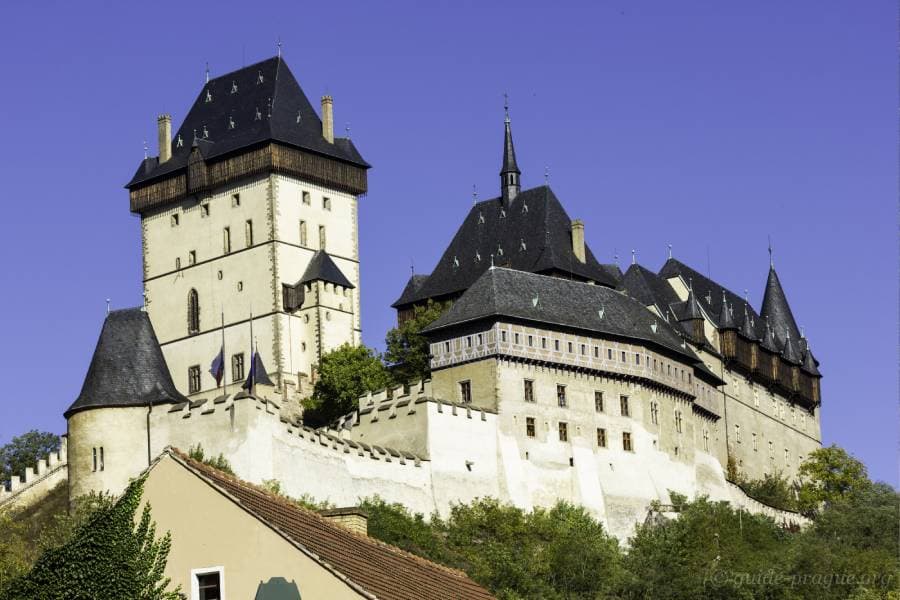
Karlštejn Castle
Karlštejn Castle is a magnificent medieval fortress perched atop a hill in the picturesque village of Karlštejn, about 30 kilometers southwest of Prague. It is one of the country's most famous and historically significant castles. Karlštejn is also easily reachable by public transportation. And that makes it an ideal destination for those who love Gothic architecture.
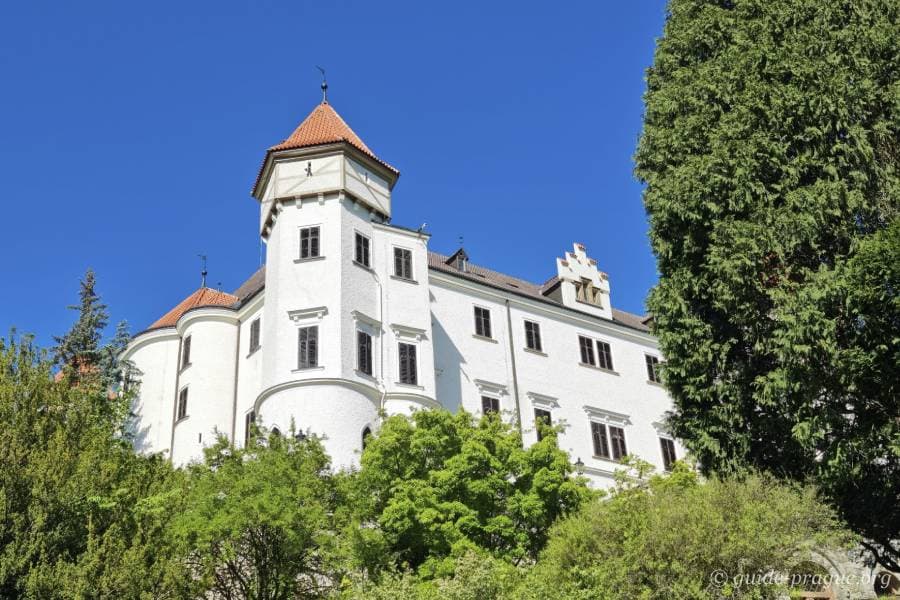
Konopiště Castle
Konopiště Castle, nestled in the picturesque countryside, offers a unique blend of history, romance, and natural beauty. From exploring the splendid residence of the heir to the imperial throne to wandering through the exotic plants in the rose garden, there's something here to pique everyone's interest.
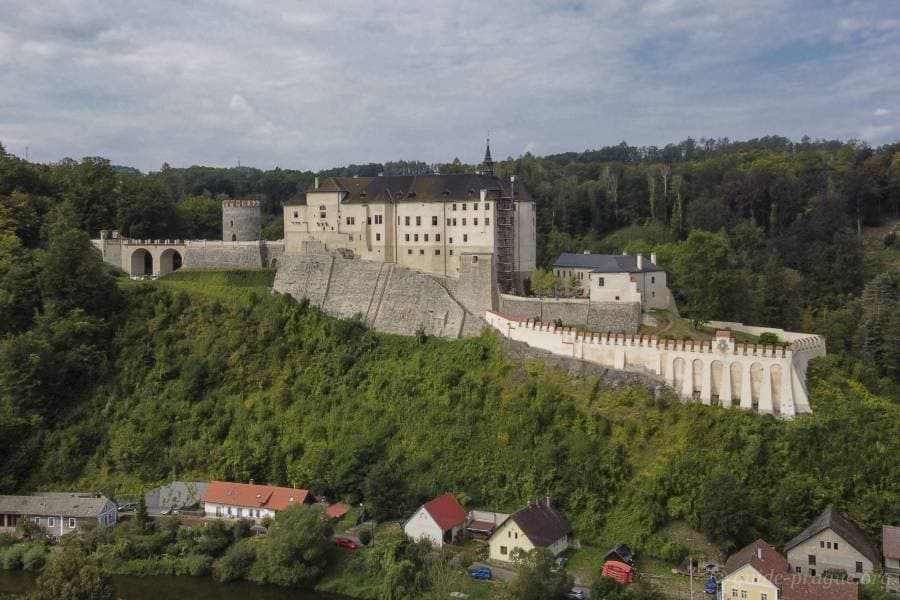
Český Šternberk
Český Šternberk has been rising on a hill above the Sázava River for nearly 800 years. Most of the time, it belonged to and still belongs to the Sternberg family. If you want to see a Czech castle with impressive architecture, outstanding history, and unique interiors - Český Šternberk is a perfect choice.
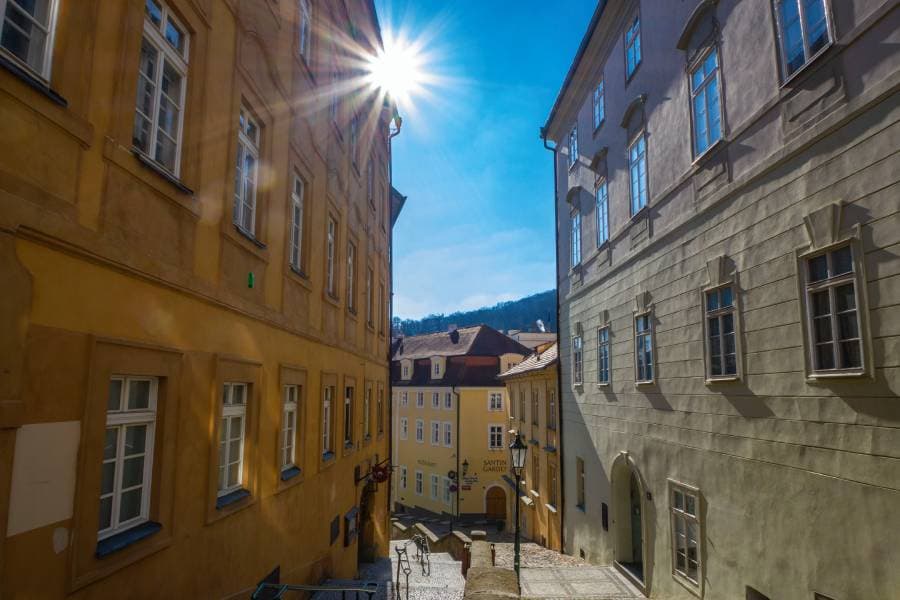
Where to Stay In Prague?
Looking for the perfect area to stay in Prague can be pretty challenging, especially if you are visiting the city for the first time. To help you navigate this task, I’ve prepared a guide that gives you a brief overview of various neighborhoods in the city.